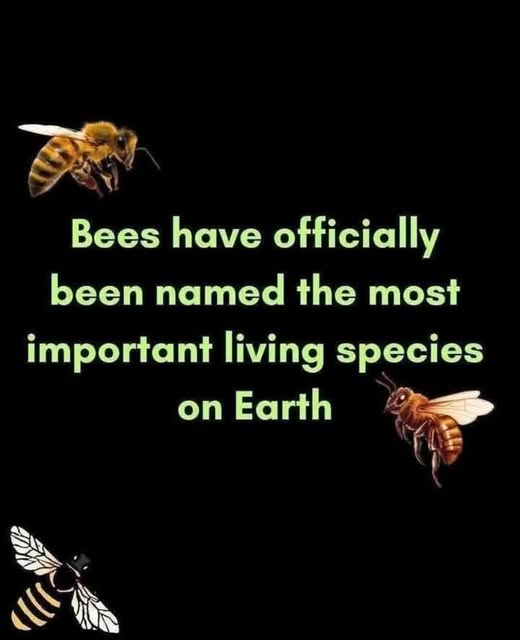
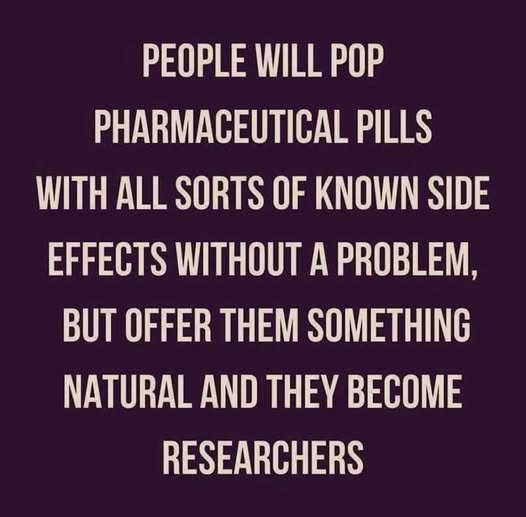
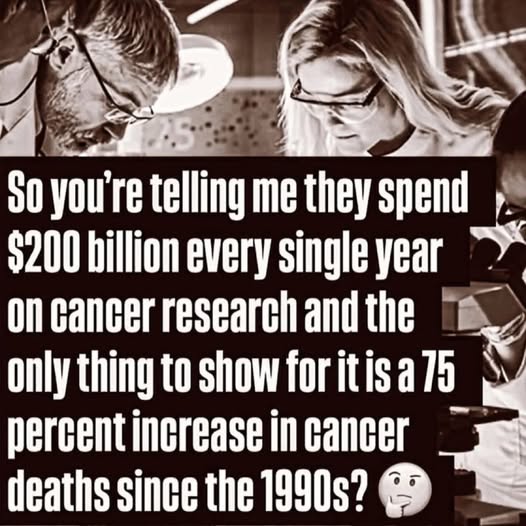
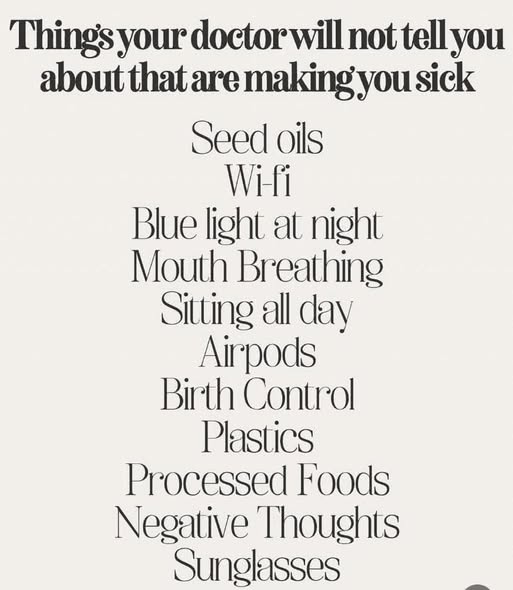
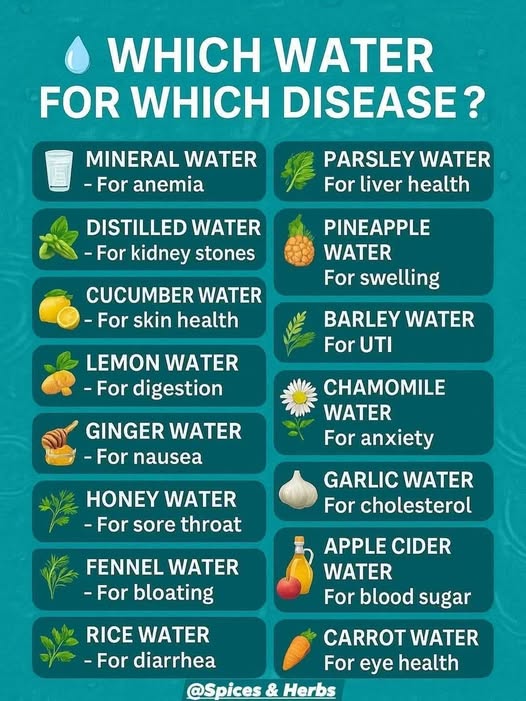
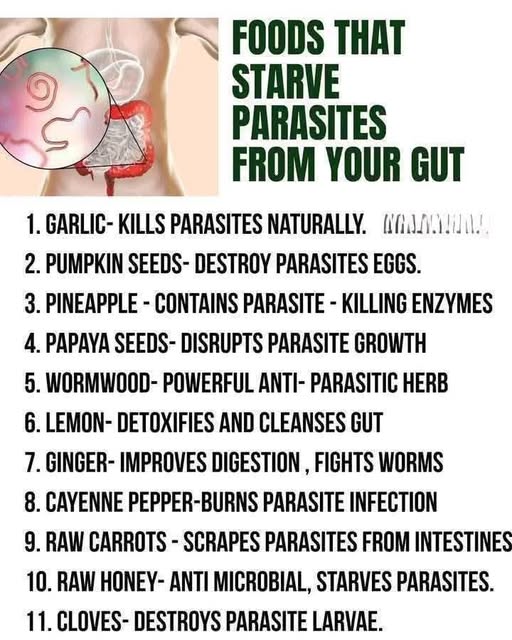
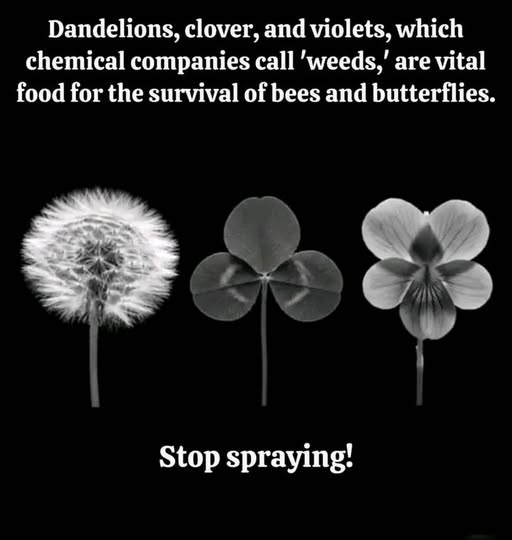
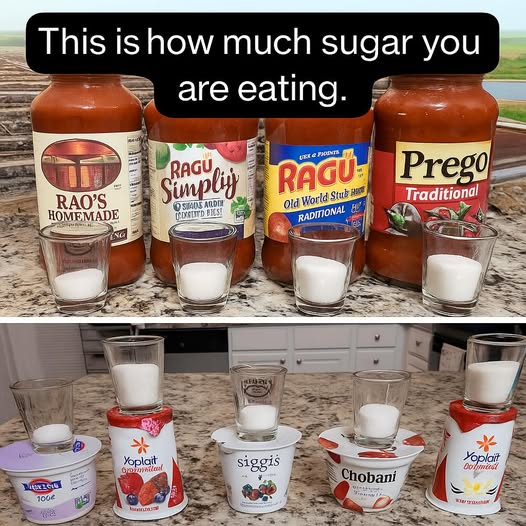
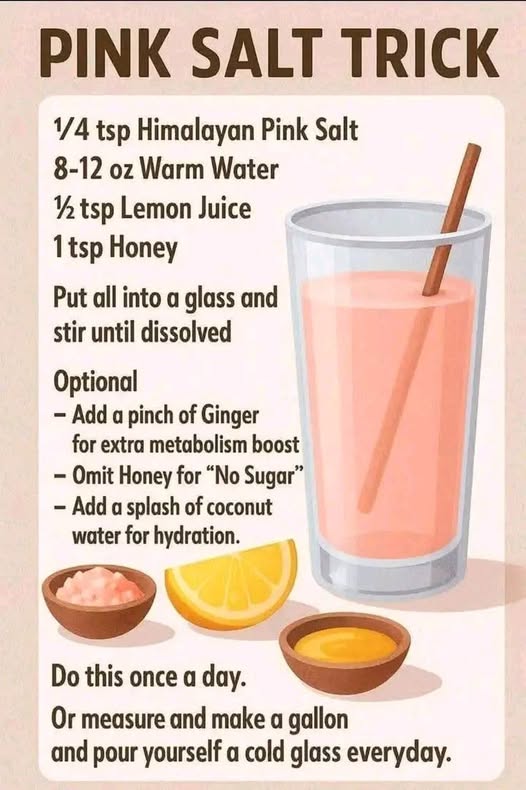
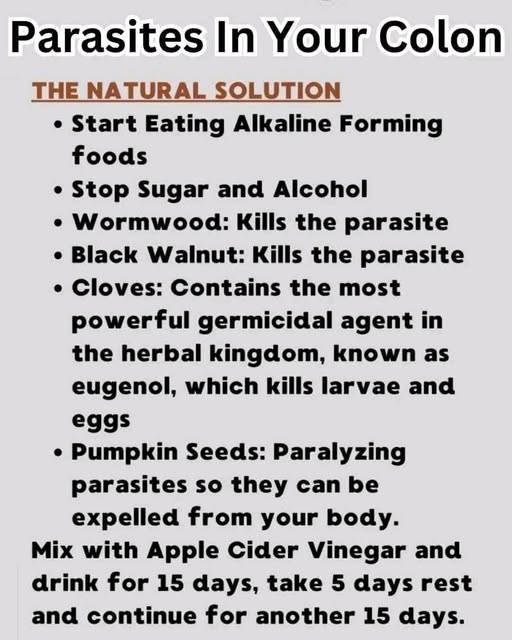
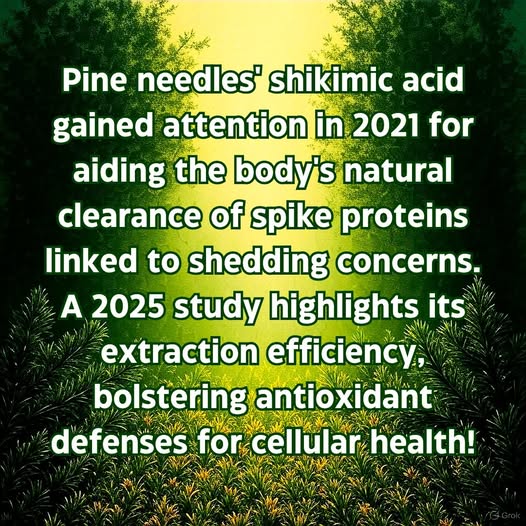
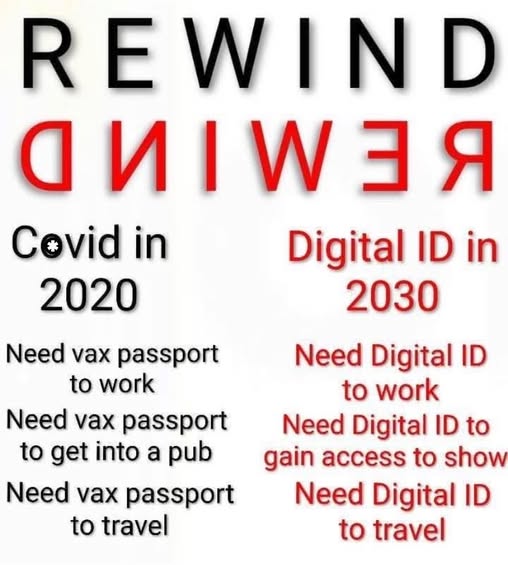
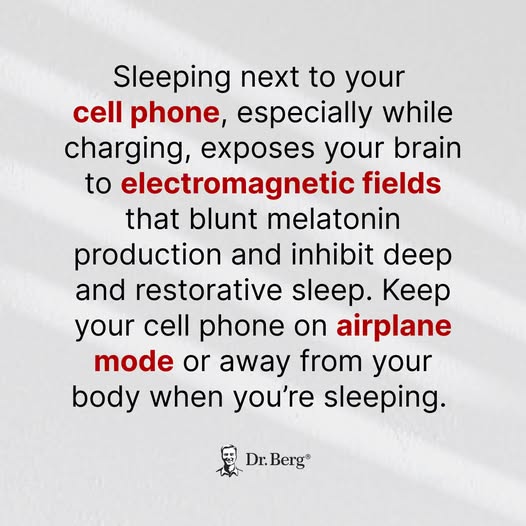
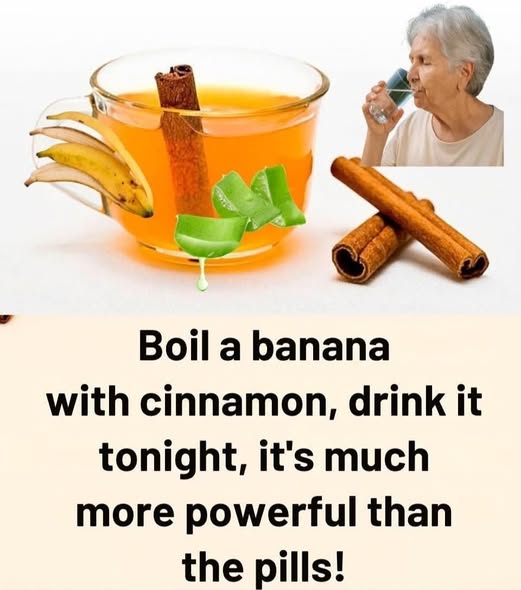
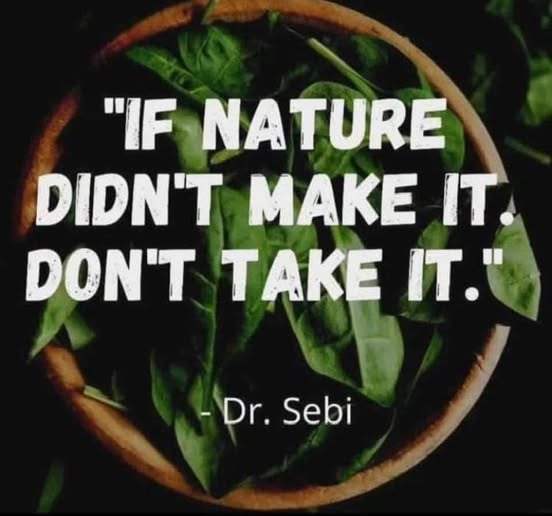
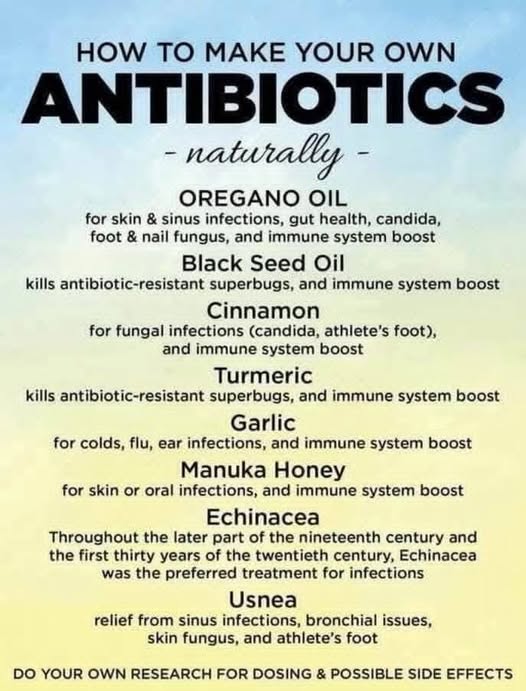
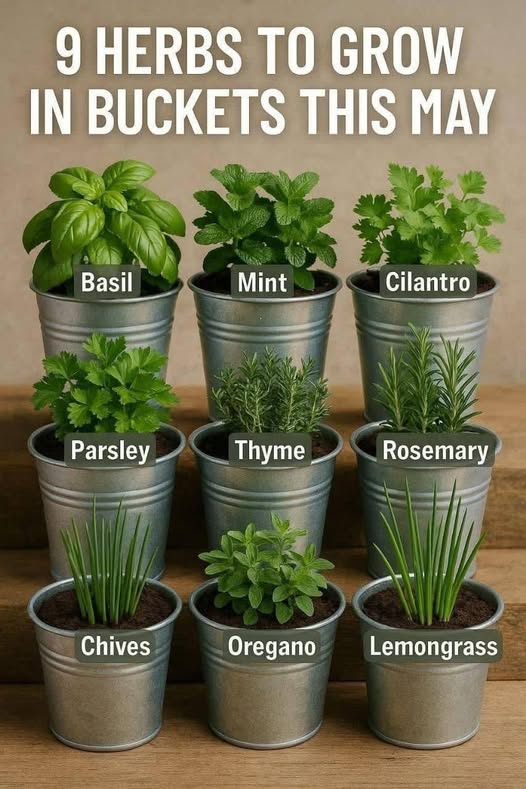
“My good friends on Facebook — you know who you are. The ones who have been here since Memes 1 when I still thought screenshots counted as art.
Facebook is my meme laboratory. The place where I collect fragments of the collective unconscious — a weird soup of wisdom, irony, and low-resolution chaos.
‘Memes 20’ isn’t just another collection. It’s a graduation. A PhD in sarcasm.
From political absurdity to existential cats, I’ve curated twenty artifacts of the modern digital condition. Each meme says: we are laughing because we can’t cry anymore.
As always, thank you to my fellow memers, the saints of the screenshot, the prophets of the pixel. Together, we hold the line between humor and hysteria.
— Dr. Luka, Chief Archivist of the Meme Age 🧠💾 #Memes20 #DoctorOfDank #FacebookAnthology”
To: Aleksandra From: Dr. Luka Kovac Re: Nutritional Support Plan
Aleksandra,
Thank you for trusting me with your care. I know that right now, even the smallest tasks can feel overwhelming, and the idea of making big changes can seem impossible. Please, don’t feel any pressure. We are going to take this one small step at a time.
What you’re feeling is real, and it’s complex. The medication and our therapy sessions are the foundation of your treatment, but we must also support your body’s own ability to heal. Think of your brain as the most delicate and important engine in the world. B vitamins are like the spark plugs for that engine. Without them, even the best fuel can’t create the energy and signals you need to feel like yourself.
They are essential in creating the very neurotransmitters that regulate your mood, your energy, and your focus. So, let’s look at this not as a strict diet, but as a way of gently nourishing your nervous system.
Here are some of the most important B vitamins and where you can find them. I want you to read this not as a list of chores, but as a menu of possibilities. If only one or two things sound appealing, that is a perfect start.
The B Vitamin Team
B6 (Pyridoxine) & B9 (Folate): These two are the most critical for mood. They are directly involved in building your brain’s supply of serotonin and dopamine. You can find them in:
Chickpeas (think hummus – an easy snack)
Lentils (in a simple soup)
Dark leafy greens like spinach and kale (a handful tossed into a scrambled egg is enough)
Bananas and avocados
Salmon and tuna (canned is fine, and easy)
B12 (Cobalamin): This is crucial for protecting your nerve cells. A deficiency can make you feel profoundly tired and low. It is found almost exclusively in:
Animal products: Meat, chicken, fish, eggs, and milk.
Fortified Nutritional Yeast: It has a cheesy flavor and can be sprinkled on popcorn or pasta. If you don’t eat animal products, we must talk about a B12 supplement. This is non-negotiable for your health.
The Other Essential Bs: They all work together.
B1 (Thiamine) and B3 (Niacin) for energy: found in sunflower seeds, pork, tuna, and peanuts.
B2 (Riboflavin) and B5 (Pantothenic Acid) for stress response: found in eggs, mushrooms, and avocados.
Simple Steps, Not Rules
Aleksandra, I am not giving you a strict diet. I am asking you to consider a few gentle additions when you feel able.
The Easy Meal: When you can, try to have a plate with one thing from each category: a lean protein (salmon, chicken, lentils), a complex carb (brown rice, a sweet potato), and something green (spinach, broccoli). This doesn’t have to be a cooked meal. A can of tuna with some pre-washed spinach is a victory.
The Snack Jar: Keep a jar of mixed nuts and seeds (almonds, sunflower seeds) handy. A small handful when you feel your energy drop is a powerful boost of B vitamins.
Embrace the Egg. Eggs are a nutritional powerhouse, containing almost every B vitamin. Scrambling one or two with a handful of spinach is a simple, complete meal that truly supports your brain.
Now, Aleksandra, I need to be very clear about something, and this is important.
This nutritional advice is a support, not a replacement, for your treatment plan.
Do not, under any circumstances, stop taking your prescribed medication or skip our therapy sessions because you’ve changed your diet. The goal is to use every tool we have—medicine, therapy, and lifestyle—together. They work as a team, just like these vitamins do.
We are in this together. At our next session, we can talk about which of these ideas, if any, felt manageable. There is no judgment, only progress, no matter how small.
Dr. Luka Kovač: “When it comes to the mind, Joe, we must remember that it is not separate from the body. What you eat, drink, and surround yourself with—these all play a role in balance. Let me give you a list I recommend for mental health.”
Foods for Mental Health:
Fatty fish (salmon, sardines, mackerel) – omega-3s for brain function
Dark leafy greens (spinach, kale, Swiss chard) – folate and magnesium
Berries (blueberries, blackberries, strawberries) – antioxidants against stress
Bananas – natural serotonin booster
Avocados – healthy fats for the brain
Fermented foods (yogurt, kefir, sauerkraut, kimchi) – gut health linked to mental health
Dark chocolate (in moderation) – dopamine and serotonin enhancer
Water:
Clean mineral-rich spring water, or filtered water with trace minerals added
Herbal infusions like chamomile or lemon balm tea for calmness
Limit caffeinated and sugary drinks, as they spike anxiety
Vitamins & Minerals:
Vitamin D – sunshine vitamin, crucial for mood
Vitamin B complex – especially B6, B9 (folate), B12 for nervous system balance
Vitamin C – supports stress response
Magnesium – relaxes the nervous system, reduces anxiety
Zinc – supports brain function and mood regulation
Selenium – antioxidant, stabilizes mood
Herbs & Roots:
Ashwagandha – adaptogen for stress relief
Rhodiola – energy and resilience against burnout
Valerian root – for rest and sleep
Ginseng – mental clarity and focus
Turmeric (curcumin) – anti-inflammatory for brain health
Ginger – circulation and mental alertness
St. John’s Wort – for mild depression (with medical caution for interactions)
Supplements:
Omega-3 fish oil or algae oil capsules
Probiotics for gut-brain axis health
L-theanine (from green tea) – calm alertness
5-HTP – supports serotonin (taken only under medical guidance)
Lifestyle & Natural Therapies:
Daily exercise: even 20–30 minutes of walking or light training improves mood
Sunshine: at least 15 minutes of direct light on skin daily for Vitamin D
Time in nature: forests, oceans, mountains – reset the nervous system
Deep breathing and meditation practices
Social connection and laughter – the best natural medicine
Dr. Kovač smiles: “These things together create resilience. Not one pill, but a lifestyle of balance. Medicine should not only be what we prescribe, but how we live.”