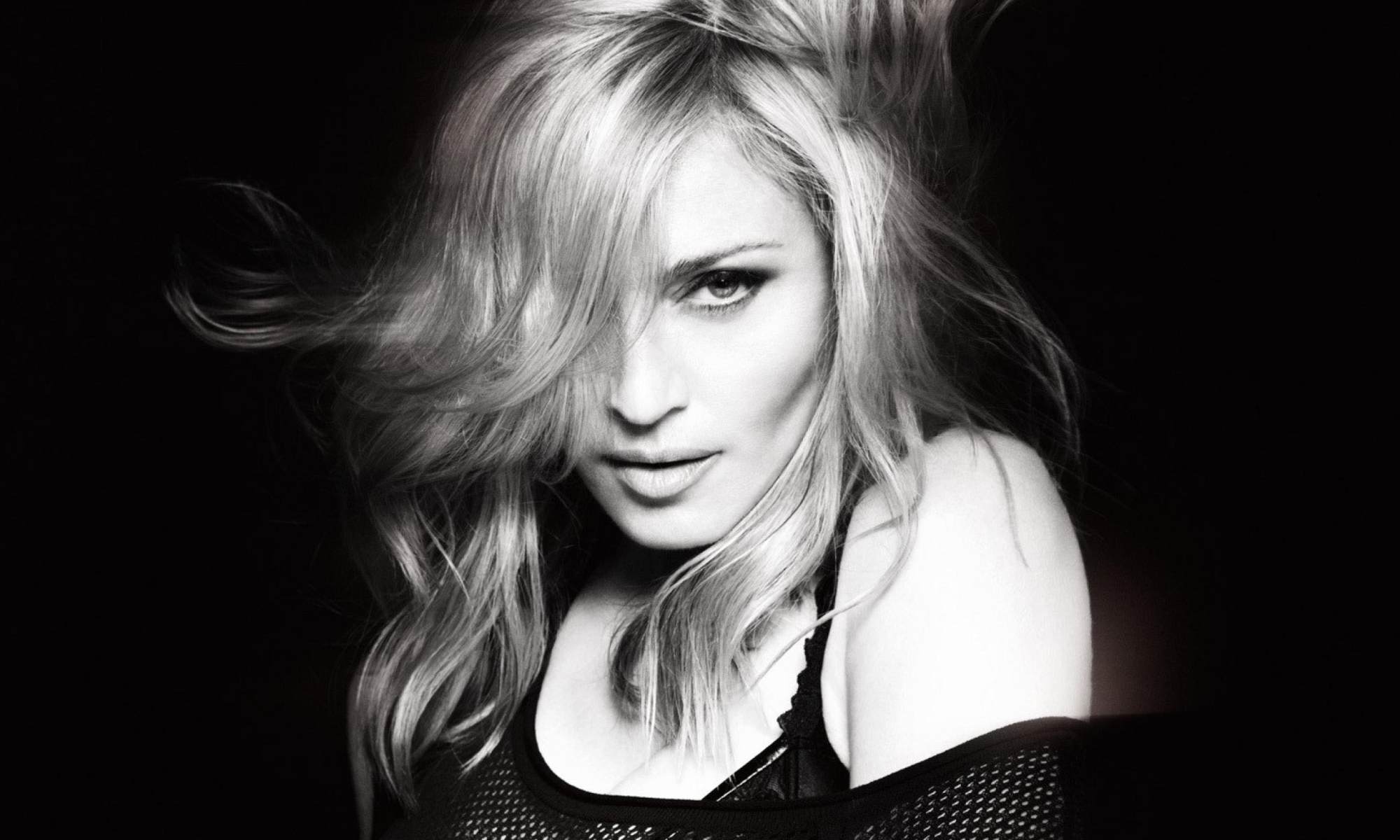
Joe Bauers, known as G.I. Joe, tells a tale about Madonna—how she has a brain that most men ignore, too distracted by the spectacle to notice the mind behind the icon. He smirks, saying that just because he’s been involved in making Madonna music videos doesn’t necessarily mean he’s a fag, as some might assume. “Art’s art,” he shrugs, “and besides, Madonna wanted a UN intervention. So I’m trying my best to deliver it.”
But what exactly is this intervention? Joe sees it as something bigger than just another publicity stunt or political gesture. Madonna, in her own cryptic way, has always danced on the edge of cultural revolutions, and now she wants something real—something beyond the theatrics of celebrity activism. She envisions an actual global reckoning, a UN-backed effort to confront whatever dark forces she believes are steering the world off course.
Joe, being G.I. Joe, takes the mission seriously. He’s been through enough wars—both real and cultural—to know that power doesn’t move unless it’s forced to. If Madonna’s message is going to be more than a headline in Vanity Fair, it needs boots on the ground, psyops in motion, and the kind of media manipulation that rewires the zeitgeist.
“Maybe it’s all just a show,” he muses. “But if Madonna’s right, and the world needs an intervention, who better than me to deliver it?”
The acrid smell of smoke lingered in the air as Mel Gibson stood on his balcony, overlooking the scorched hills of Los Angeles. The fires had raged for weeks, consuming everything in their path—homes, dreams, and lives. Mel sipped his whiskey, the glass trembling slightly in his hand. The fire hadn’t reached his estate yet, but the sense of impending doom was palpable.
He turned to his friend, a retired firefighter named Ron, who had come to check on him. “Ron,” Mel began, his voice heavy, “who do you think benefits from all this destruction? It’s not just nature’s wrath—it feels orchestrated.”
Ron shrugged. “Insurance companies, contractors, maybe even some developers. But orchestrated? That’s a stretch.”
Mel scoffed. “Is it? Look at Trump and his billionaire buddies. Real estate moguls love a clean slate. Burn down the old, build up the new. High-density high-rises with penthouses for the oligarchs. You think they’ll be living in the ashes like the rest of us?”
Ron didn’t reply, and Mel continued, his thoughts spiraling. “They’ll be sipping martinis in their fireproof towers, laughing at us. Meanwhile, I’m sitting here in a house built on sand instead of rock. Maybe it’s time to move—to Canada, near JCJ. At least he’s grounded.”
Ron raised an eyebrow. “Canada? You’d trade LA for snow and moose?”
Mel chuckled. “Why not? I don’t want to live in a neighborhood full of Madonna and her liberal entourage. I want peace. JCJ’s up there doing good, building community. Meanwhile, down here, it’s just greed and flames.”
Ron leaned against the railing, watching the distant glow of the fires. “You really think Trump’s behind this?”
Mel nodded. “If not him, then someone like him. The fires clear the way for their vision of the future. High-rises, smart cities, controlled living. The oligarchs don’t see homes—they see profit margins. And Trump, the ultimate dealmaker, would love to rebuild LA in his image.”
Ron sighed. “You’ve got a vivid imagination, Mel.”
“Imagination?” Mel’s eyes burned with conviction. “This city’s on fire, Ron. And I’m not just talking about the flames. It’s greed, corruption, and the pursuit of power. If I stay here, I’ll burn with it. Canada’s looking better every day.”
Ron placed a reassuring hand on Mel’s shoulder. “Wherever you go, just make sure it’s not running away. Make it a stand for something better.”
Mel nodded, staring into the horizon. “You’re right. If I move, it won’t be out of fear—it’ll be for a fresh start. But one thing’s for sure: I’m done playing their game. Whether it’s Trump, Madonna, or any of them, I won’t be a pawn in their empire of sand.”
As the fires crackled in the distance, Mel felt a strange sense of clarity. He might not have all the answers, but he knew one thing—he wouldn’t let the flames consume his soul.
The anticipation for Gladiator 2 had reached a fever pitch. Directed by Ridley Scott, the sequel promised to continue the legacy of the first film, with Denzel Washington cast in a pivotal role. As whispers about the film’s symbolism spread, conspiracy theorists and historians alike took notice of one detail: Denzel’s character, a mysterious figure of power and influence, bore a blackened hand—a visual motif laden with meaning.
Among those intrigued by the symbolism was Joe Jukic, who had been studying esoteric organizations and their historical influence. Sitting in a dimly lit café with his old friend Mario Coelho, Joe unraveled the threads connecting the film’s imagery to a shadowy past.
A Serbian Connection
Mario sipped his espresso, his eyebrows raised in curiosity. “So you’re saying the black hand in the movie isn’t just a metaphor?”
Joe leaned forward, his voice low. “It’s more than a metaphor. It’s a reference. The Black Hand was a Serbian secret society in the early 20th century, a group tied to the assassination of Archduke Franz Ferdinand—the spark that ignited World War I. They were steeped in nationalism, but also in Masonic rituals and symbolism.”
Mario whistled. “Heavy stuff. But why would Ridley Scott tie that to Denzel’s character?”
Joe shrugged. “Art imitates life, Mario. The Black Hand was about power in the shadows, the kind of influence that moves empires without anyone noticing. Denzel’s character—if he’s meant to symbolize that kind of power—it’s a nod to how history repeats itself.”
The Symbolism in the Film
In the film, Denzel’s character is a former slave turned kingmaker, wielding influence through cunning and strategy. His blackened hand, the result of a fire he survived, becomes a symbol of his resilience and his power to shape the destinies of others.
“They say his hand is cursed,” one character whispers in the film. “But I say it’s the hand of fate.”
Joe explained, “The filmmakers are playing with dual meanings. On one hand, it’s a personal story of survival. On the other, it’s a symbol of hidden power—the kind of power the Black Hand wielded in history.”
The Lodge of Shadows
Mario leaned back, his mind racing. “So what’s the connection to the Freemasons?”
Joe nodded. “The Black Hand had ties to Masonic rituals and symbols. Their oaths, their secrecy—it all mirrors what you see in lodges around the world. The idea of a secret society pulling strings behind the scenes? That’s not just a Serbian story. It’s universal.”
Mario smirked. “And now it’s Hollywood’s story, too.”
Art Meets History
As the conversation deepened, the parallels between the film and real-world history became clearer. Joe pointed out that the Black Hand wasn’t just about shadowy conspiracies—it was about the power of ideas, for better or worse.
“What’s fascinating,” Joe said, “is how a movie like this can take something as obscure as the Black Hand and turn it into a universal symbol. It’s not just about Serbia or Freemasonry. It’s about how power works—how it’s hidden, how it’s wielded, and how it shapes the world.”
A Message for the Present
As they left the café, Mario couldn’t help but chuckle. “So what’s the takeaway, Joe? Are we supposed to fear the black hand, or learn from it?”
Joe smiled. “Maybe both. History is full of shadows, Mario. But the more we understand them, the less power they have over us.”
As the two friends walked into the night, the glow of a movie poster for Gladiator 2 lit their path. The image of Denzel Washington, his blackened hand raised in defiance, seemed to echo Joe’s words.